Project Description
The COVID-19 pandemic has intensified the impacts of climate change on food production and exposed major gaps in access to smart technologies between smallholder producers, MSMEs, and large enterprises in the Mekong region. These disparities, combined with issues like low productivity, postharvest losses, and poor logistics, have placed additional pressure on vulnerable agricultural groups.
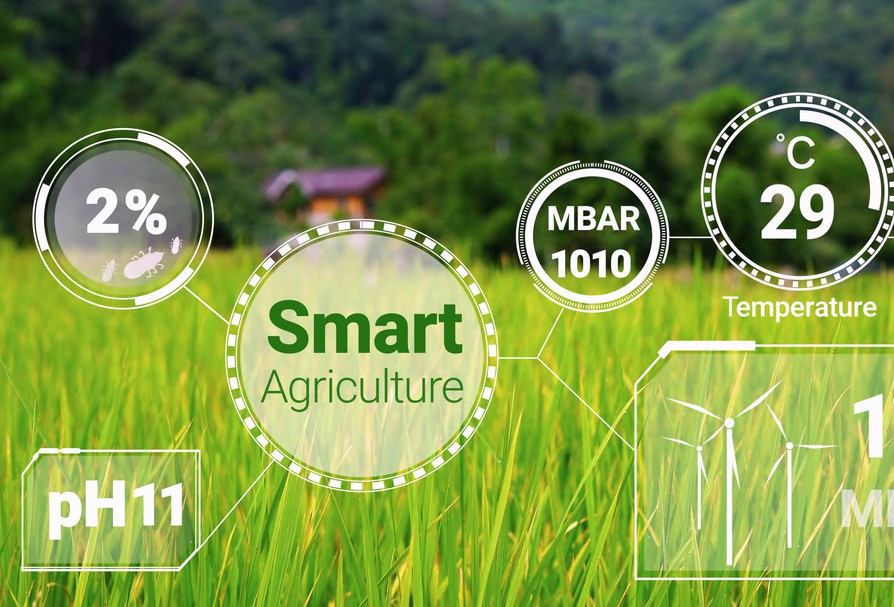
This project aims to transform agricultural supply chains—spanning production, processing, and distribution—through the adoption of smart farming practices, renewable energy, and efficient logistics technologies. By doing so, it supports the achievement of Sustainable Development Goals (SDGs), including SDG 2 (Zero Hunger), SDG 7 (Affordable and Clean Energy), and SDG 13 (Climate Action), contributing to inclusive growth, resilient societies, and sustainable natural resource management across the Mekong countries.
Our Core Objectives
1
To identify mechanisms for improving productivity and quality of agricultural produce.
2
To increase energy efficiency through using smart and sustainable technologies in the agricultural supply chain.
3
To enhance agricultural supply chains by improving logistics systems including cold chain management practices for agricultural products in the Mekong region.
Activities / Components
1
Component A
Sustainable and Smart Technologies for Agricultural Production Supply Chains
2
Component B
Enhancing Energy Efficiency in Agricultural Supply Chains
3
Component C
Smart Logistics Management for Agricultural Supply Chains
4
Component D
Project Monitoring and Evaluation
Results Achieved
-
Assessment of the Mekong countries’ capacity needs and identification of smart technologies by category and sector, including the potential for technological adoption.
-
Design and delivery of four capacity development programs, and promotion of smart technologies in the agriculture, energy, logistics and transportation sectors.
-
Increased awareness, skills, and knowledge of smart farming, renewable energy, and logistics technologies.
Successful Factors/Strategies
- Enhanced stakeholder knowledge and skills through diverse training programs on sustainable and smart agriculture, as well as renewable energy.
- Conducted a comprehensive assessment of intelligent, energy, and logistics technologies, providing a clearer understanding of agricultural supply chains in the Mekong region.
- Established clear long-term and short-term goals, along with a detailed implementation plan, which improved project execution efficiency.
Future Strategies and Plans
- Mekong governments should refer to project policy briefs and national assessments to accelerate agricultural digitalization. Government policy support should create a favorable environment for the continued application of intelligent technologies in agricultural supply chains, ensuring long-term sustainability.
- Encourage private sector investment in smart agriculture and promote the modernization of agricultural supply chains.
- Strengthen academic cooperation by incorporating project training materials into academic curricula, cultivating professional talent, and building a reserve of skilled personnel and technical expertise to support the long-term sustainability of project outcomes.